Transparency System
Transparency System


Transparency System
Transparency System
Regulatory Compliance at Sanofi
Building a certification workflow for a regulatory transparency process
SPA & Component Architecture

RESULTS
Delivered a secure, role-authenticated web application that handled the full certification lifecycle in production, replacing the manual process and standing up to sustained use by the Sanofi team.

CHALLENGE
Architect a secure web application to replace biotech heavyweight Sanofi Genzyme's tedious, manual certification process without introducing risk into a workflow that fed directly into federal compliance reporting.

STACK
MeteorJS, AngularJS, AWS S3, SendGrid
Regulatory Compliance at Sanofi
Building a certification workflow for a regulatory transparency process
SPA & Component Architecture
RESULTS
Delivered a secure, role-authenticated web application that handled the full certification lifecycle in production, replacing the manual process and standing up to sustained use by the Sanofi team.
CHALLENGE
Architect a secure web application to replace biotech heavyweight Sanofi Genzyme's tedious, manual certification process without introducing risk into a workflow that fed directly into federal compliance reporting.
STACK
MeteorJS, AngularJS, AWS S3, SendGrid
Regulatory Compliance at Sanofi
Building a certification workflow for a regulatory transparency process
SPA & Component Architecture
RESULTS
Delivered a secure, role-authenticated web application that handled the full certification lifecycle in production, replacing the manual process and standing up to sustained use by the Sanofi team.
CHALLENGE
Architect a secure web application to replace biotech heavyweight Sanofi Genzyme's tedious, manual certification process without introducing risk into a workflow that fed directly into federal compliance reporting.
STACK
MeteorJS, AngularJS, AWS S3, SendGrid
Overview

Genzyme Sanofi Transparency Certification System
Biotech heavyweight Sanofi Genzyme's team ran its annual certification process on a manual workflow: collecting regulatory approvals from internal personnel and external vendors, compiling them, and submitting them to the federal government as a transparency measure. The scale was significant enough that a manual process introduced real compliance risk. Breyta was brought in to replace it with a secure, administered web application.
The Scope

The technical scope was broad. Certification lifecycle management, role-based authentication, document uploads to S3, multi-step approval workflows, email orchestration via SendGrid, administrative interfaces for database configuration, daily server jobs, and data export to Excel all had to coexist in a production-grade single-page application. The requirement wasn't just functionality. It was reliability in a crucial regulated workflow.
The Stack

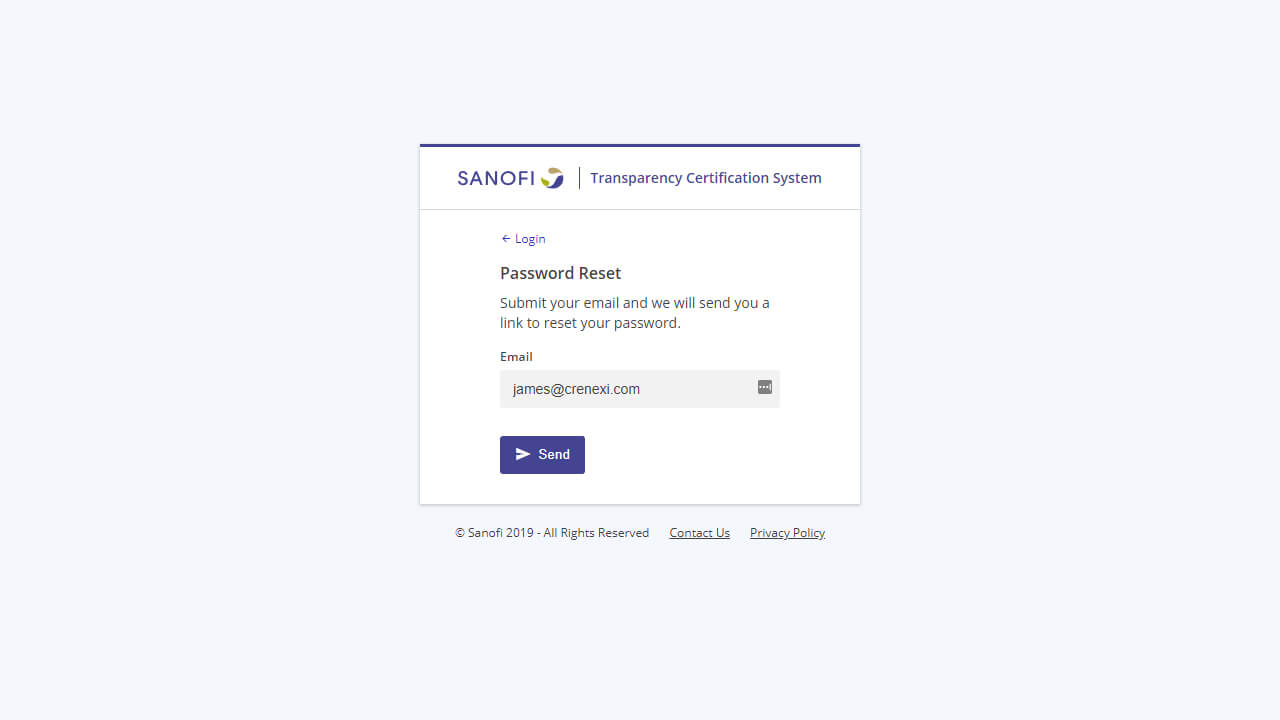
The stack decision was deliberate. A MEAN configuration with MeteorJS reduced the surface area between frontend and backend state management, which mattered given the volume of conditional views and role-specific rendering the application required. The frontend was built on Angular using component-based design, ES6 modules, and lifecycle hooks. I established the module architecture in writing before development began, defined the core service layer (AuthService, UserService, RoleService, EmailService, UtilityService), and set the patterns the team used throughout. I led scope prioritization in Jira, which was non-trivial given a backlog that shifted daily as client requirements evolved.
The feature surface included advanced-filtering certification and user lists, a document upload system backed by AWS S3, account and workflow email templates, multi-step approval logic, and an administrative interface for runtime configuration. Form components received particular attention: the approval workflow depended on reliable, stateful form handling, and component inputs and outputs were used to keep state predictable across views. ESLint enforcement and a staging environment were in place before production deployment.
Outcome

The system launched, passed user acceptance testing, and moved into active use by the Sanofi team. It remains in production.
Note: Screenshots are not available due to client confidentiality requirements.
Overview
Genzyme Sanofi Transparency Certification System
Biotech heavyweight Sanofi Genzyme's team ran its annual certification process on a manual workflow: collecting regulatory approvals from internal personnel and external vendors, compiling them, and submitting them to the federal government as a transparency measure. The scale was significant enough that a manual process introduced real compliance risk. Breyta was brought in to replace it with a secure, administered web application.
The Scope
The technical scope was broad. Certification lifecycle management, role-based authentication, document uploads to S3, multi-step approval workflows, email orchestration via SendGrid, administrative interfaces for database configuration, daily server jobs, and data export to Excel all had to coexist in a production-grade single-page application. The requirement wasn't just functionality. It was reliability in a crucial regulated workflow.
The Stack
The stack decision was deliberate. A MEAN configuration with MeteorJS reduced the surface area between frontend and backend state management, which mattered given the volume of conditional views and role-specific rendering the application required. The frontend was built on Angular using component-based design, ES6 modules, and lifecycle hooks. I established the module architecture in writing before development began, defined the core service layer (AuthService, UserService, RoleService, EmailService, UtilityService), and set the patterns the team used throughout. I led scope prioritization in Jira, which was non-trivial given a backlog that shifted daily as client requirements evolved.
The feature surface included advanced-filtering certification and user lists, a document upload system backed by AWS S3, account and workflow email templates, multi-step approval logic, and an administrative interface for runtime configuration. Form components received particular attention: the approval workflow depended on reliable, stateful form handling, and component inputs and outputs were used to keep state predictable across views. ESLint enforcement and a staging environment were in place before production deployment.
Outcome
The system launched, passed user acceptance testing, and moved into active use by the Sanofi team. It remains in production.
Note: Screenshots are not available due to client confidentiality requirements.
Overview
Genzyme Sanofi Transparency Certification System
Biotech heavyweight Sanofi Genzyme's team ran its annual certification process on a manual workflow: collecting regulatory approvals from internal personnel and external vendors, compiling them, and submitting them to the federal government as a transparency measure. The scale was significant enough that a manual process introduced real compliance risk. Breyta was brought in to replace it with a secure, administered web application.
The Scope
The technical scope was broad. Certification lifecycle management, role-based authentication, document uploads to S3, multi-step approval workflows, email orchestration via SendGrid, administrative interfaces for database configuration, daily server jobs, and data export to Excel all had to coexist in a production-grade single-page application. The requirement wasn't just functionality. It was reliability in a crucial regulated workflow.
The Stack
The stack decision was deliberate. A MEAN configuration with MeteorJS reduced the surface area between frontend and backend state management, which mattered given the volume of conditional views and role-specific rendering the application required. The frontend was built on Angular using component-based design, ES6 modules, and lifecycle hooks. I established the module architecture in writing before development began, defined the core service layer (AuthService, UserService, RoleService, EmailService, UtilityService), and set the patterns the team used throughout. I led scope prioritization in Jira, which was non-trivial given a backlog that shifted daily as client requirements evolved.
The feature surface included advanced-filtering certification and user lists, a document upload system backed by AWS S3, account and workflow email templates, multi-step approval logic, and an administrative interface for runtime configuration. Form components received particular attention: the approval workflow depended on reliable, stateful form handling, and component inputs and outputs were used to keep state predictable across views. ESLint enforcement and a staging environment were in place before production deployment.
Outcome
The system launched, passed user acceptance testing, and moved into active use by the Sanofi team. It remains in production.
Note: Screenshots are not available due to client confidentiality requirements.



CONTACT INFO
Ready to Connect?
Currently open to Austin roles in operations, systems, and CRM. I'd love to hear what you're building toward.
CONTACT INFO
Ready to Connect?
Currently open to Austin roles in operations, systems, and CRM. I'd love to hear what you're building toward.
CONTACT INFO
Ready to Connect?
Currently open to Austin roles in operations, systems, and CRM. I'd love to hear what you're building toward.